
Exploring Jajpur District
Welcome to Jajpur district, a hidden gem nestled in the eastern state of Odisha, India. This district, with its rich historical significance, awe-inspiring natural beauty, and vibrant cultural heritage, offers a mesmerizing experience for all who visit. Jajpur district is known for its numerous archaeological sites, magnificent temples, lush green landscapes, and warm hospitality. Let’s delve into the captivating world of Jajpur and explore its wonders.
From time immorial Jajpur has been identical with Viraja or Viraja Khetra. The place sacred to Viraja, the symbol of Sakti(Power) on one side and Verah, the symbol of Brahma or Purusha on the other side is one of the traditional Pancha khetras in Orissa dedicated to Brahmanical Pancha Khetras. As a seat of ancient culture and a holy shrine for Hindus it was once studded with scores of ancient stone temples as in the temple town of Bhubaneswar . But it witnessed and bore the burnt of the Vandalism of the invaders from the North , who destroyed the temples and palaces . But in and around the surviving temples and the temples built after the mass destruction we come across a large number of sculptures ranging in date from the 4rth century , which not only stand as the milestone of art and architecture of the place but also provide us with ample materials to reconstruct a cultural history of Orissa.
What is Jajpur District of Odisha famous for?
Jajpur District is famously known as the ancient “Viraja Kshetra,” one of Odisha’s most sacred Brahminical centers and the historic capital of powerful dynasties. It is world-renowned for the Biraja Temple, the monumental Dasaswamedha Ghat on the Baitarani River, and its pivotal role in Odisha’s cultural and political history from the 8th to 11th centuries. This district is a profound destination for spirituality, history, and archaeology, offering a deep dive into the synthesis of Hinduism, Buddhism, and Jainism.
The iconographical features of goddes Viraja support such a conclusion about its date. The Paralakhemundi copper place of Prithivi Maharaja mentions Viraja as Viranja. The date ascribed to this plate has been 6th century AD. But the Mahabharata which was composed in the 3rd century mentions in its Banaparva in 114th chapter about Viraja and the sacred Baitarani where the five Pandav brothers had their holy dip with Lomash the saint. The date of the origin of goddess may safely be attributed to the 3rd century.
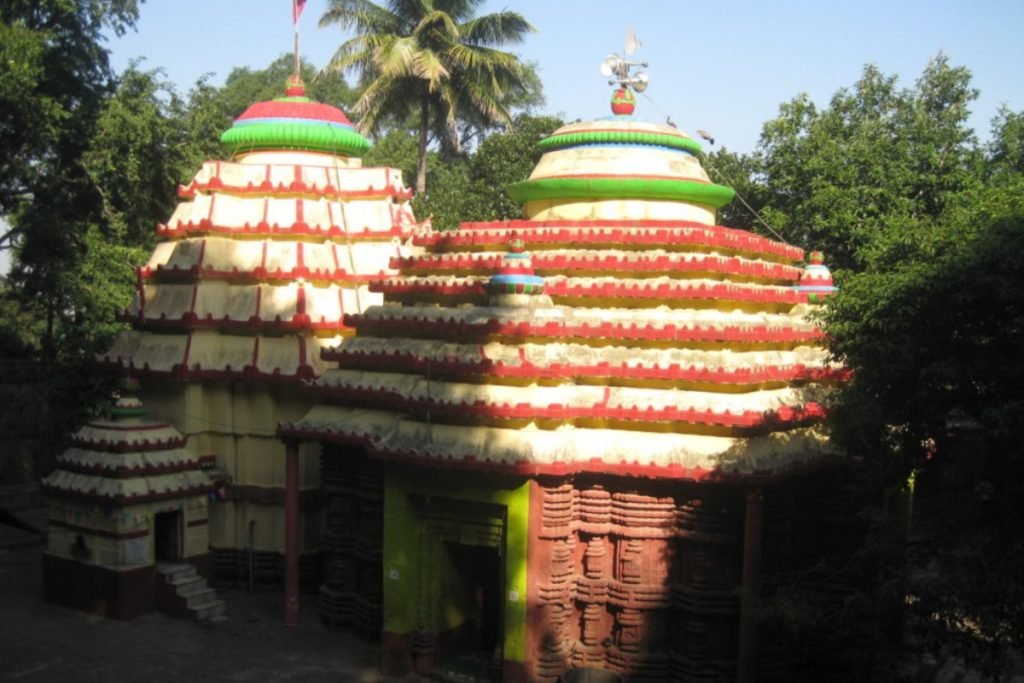
A new political situation developed with the rise of the Bhaumakaras in 736 AD . the Bahumaker empire extended from the Ganges in the North to the Mahendra mountain on the south . the Bhaumas ruled over two centuries with their capital at Guheswar Patak in Viraja Khestra. Khijinga Mandal of the Bhaumas comprised modern Mayurbhanja, eastern part of Keonjhar , some portion of Dhenkanal and the modern Jajpur and Bhadrak districts. Though a great deal of geographical political and social changes have taken place since, the cultural tie of the regions is still conspicuous as the people of the region still perform their social functions and rituals in accordance with Viraja Panjika approved by the learned astologers and scholars (Pundits) of Jajpur. Brodly speaking Orissa was mainly divided into two cultural units the one centering round Viraja khetra and the other round Shrikhetra. As in Puri there was also the Mukti Mandap and Pundit Sava at Jajpur and the ruins still bear testimony to it.
Spiritual Capital:
Revered as Viraja Kshetra, a foremost Pancha Kshetra and the sacred seat of Goddess Biraja.
The two powerful dynasties , Bhaumas and Somavansis reigned over the whole land mass of modern Orissa for almost four centuries from 8th to 11th century and saw the formative period of life and culture or Orissan people . the period is indeed a remarkable epoch.
The king Suvakar Dev(I) of Bhaumas dynasty who wrote a religious text in his own hand and send it to his contemporary Chinese empire was the pioneer for establishing relations with neighboring countries and also patronized sea trade.
Budhism and Jainism were still in affluent in Orissa as known from the accounts of Hieun Tsang, the famous Chinese piligrim who visited Puspagiri Bihar in the precincts of Jajpur in 639. Tantrayan Sprang upon the decadence of Budhism towards the 8th Century. the Kubija Tantra describes Viraja as the Maheswari of Uddiyan.
The Somabansi King Jajati Keshari made Jajpur his capital performed the historic Dasaswamedh Yajna in 10th century. Jajpur was not only the capital of two important dynasties but also has contributed a lot to the synthesis of different regions which flourished in Orissa for centuries past.
Historical Significance:
Served as the capital for the Bhaumakara and Somavanshi dynasties, witnessing the iconic Dasaswamedha Yajna in the 10th century.
Prime Attraction:
Home to the Biraja Temple (Barahjew complex) and the historic Dasaswamedha Ghat on the Baitarani River.
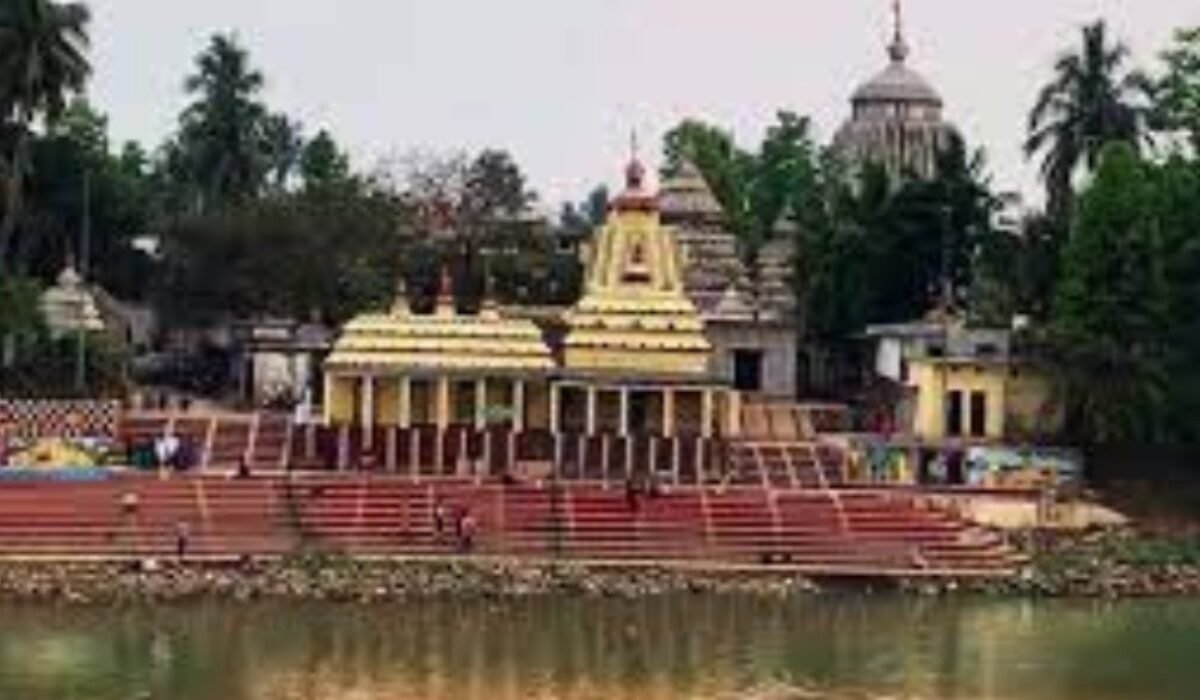
The place where the Barahjew temple complex lies, is conspicuously noted for the picturesque surroundings with the river , Baitarani branching off on both the sides of it. The main temple ,a massive structure , comprises the sanctum , Jagamohan in Pidha style. A major portion of the Mukti Mandap has been buried under the pile of sand. Three boar faced deities designed in black chlorite slabs of stone are preserved in the sanctum . They are identified as Adiverah, sweta Verah and Yajna Verah . The images are built in iconographical precision , which dates back , according to some Archeologists, to the Gupta age or Mathar Kings reigning in Kalinga during fourth Century AD . The kings were the worshippers of Bishnu and worked for the furtherance of Bishnu cult.
Historical & Spiritual Legacy:
Jajpur’s identity is not just historical; it’s metaphysical. For over a millennium, it has been sanctified as Viraja Kshetra, a power center (Shakti Peetha) that shaped the cultural unity of Odisha. As the capital of the Bhaumakara and Somavanshi empires, it was where kings performed the grand Dasaswamedha Yajna, a ritual of unparalleled scale. This deep past is palpable at the Biraja Temple, where the deity’s iconography suggests origins as early as the 3rd century, and along the Baitarani River, considered as holy as the Ganges here.
The king of Ali or Aul as it is now called is said to have taken away the original image of Laxmi Verah. The main temple stands in its original form bearing in its body some earlier pieces of sculptures of which the scene of Annapurna giving aims to Lord Shiva is one. The upper part of the temple which had been badly damaged by the fanatic invaders was repaired and reconstructed by the last gajapati King of Orissa, Pratap Rudra Dev at the request of Kashi Mishra ,a renowned Brahmin or owing to the association of Bhagaban SHRI CHAITANYA who stayed here for a day or two and offered worship to Lord Verah on his way to Puri in the first decade of 16th century . the well known Dasaswamedha Ghat built by the Soma Vansi King , Jajati Keshari , where the great Aswamedh Yajna was performed during the 10th century still exists under the piles of sand.
Cultural Synthesis & Living Traditions:
Jajpur is where religions converged and synthesized. While a major seat of Brahminical learning with its Mukti Mandap, it was also a flourishing center for Buddhism and Jainism, evidenced by the ruins of Puspagiri Vihara and the famed Ratnagiri caves. This unique blend lives on in the district’s social rituals, still guided by the Viraja Panjika (almanac), and in vibrant festivals like the Baruni Mela, which draws lakhs of devotees to the ancient ghats every 12 years.
Stirling , the celebrated historian , writes in his history that he visited Jajpur in 1825 and climbed the steps of Dasaswa Medha Ghat from the river bed to reach the Verahji’s temple . It bears the proof and testimony to the effect that the Ghat was very close to the temple. Every year Baruni Mela is held here and people come from different places to have a holy dip. On some specific years , which occurs once in every 10th or 12th year lack of people visit the place from different parts of the country to take a holy dip, here, at Dasaswamedha ghat.
Famous Festivals
Jajpur district celebrates a myriad of festivals throughout the year. The Rath Yatra, Durga Puja, and Makar Sankranti are among the most significant festivals observed with great enthusiasm. The annual Kali Puja, held at the historic Biraja Temple, attracts devotees from far and wide. These festivals offer a glimpse into the vibrant culture, customs, and traditions of the region.
Wildlife and Natural Beauty
Nature lovers will be delighted by the scenic beauty and wildlife sanctuaries in Jajpur district. The Simlipal National Park, located nearby, is home to a diverse range of flora and fauna, including tigers, elephants, and various species of birds. The Chandikhol and Jajpur forests are ideal for wildlife enthusiasts and birdwatchers. The serene waterfalls and lush green landscapes make Jajpur a paradise for nature enthusiasts.
Tourist Attractions
Jajpur district boasts several tourist attractions that showcase its rich heritage and natural beauty. The Udayagiri and Ratnagiri caves, with their ancient Buddhist ruins, are a must-visit for history buffs. The Chandikhol and Mahavinayak Temples are revered religious sites. The Chhatia Bata, Jajpur Raj Palace, and Saptamatruka Temple are also worth exploring for their architectural splendor and historical significance.
Places of Attraction
Biraja Temple :
The spiritual heart of the district. This magnificent temple, dedicated to Goddess Biraja, is an architectural marvel housing three ancient boar-faced (Varaha) deities. The complex, set where the Baitarani River branches, is steeped in legends of repairs by Sri Chaitanya and offers a powerful sense of antiquity and devotion.
Dasaswamedha Ghat:
This legendary riverbank, built by King Jajati Keshari, is where the ten-horse sacrifice was performed. Though partially buried by sands of time, it remains an active site of pilgrimage, especially during the grand Baruni Mela. It represents the zenith of Jajpur’s historical and ritualistic significance.
Ratnagiri and Udayagiri:
Part of the “Diamond Triangle” of Buddhist heritage in Odisha, these hill sites near Jajpur are treasure troves of ancient monasteries (viharas), stupas, and exquisite stone sculptures. They offer serene beauty and are crucial for understanding the region’s pre-eminent role in the spread of Mahayana and Vajrayana Buddhism.
Chandikhol and Mahavinayak:
These sites offer a blend of spirituality and natural beauty. Chandikhol is known for its temple and scenic dam area, while Mahavinayak is a revered temple complex dedicated to Lord Ganesha, set amidst tranquil hills, perfect for a peaceful retreat.
Saptamatruka Temple :
The Saptamatruka (Seven Mothers) Temple showcases another facet of the region’s tantric traditions. Other notable spots include the Jajpur Raj Palace, the Chhatia Bata associated with Lord Jagannath, and the scenic Satyapira Waterfall, providing diverse experiences from heritage to nature.
Education and Institutions
Jajpur district has made significant strides in the field of education. It is home to several esteemed educational institutions, including schools, colleges, and technical institutes. These institutions provide quality education and contribute to the intellectual growth of the region’s youth.
Economic Growth
Jajpur district has witnessed remarkable economic growth in recent years. It is a major industrial hub, housing numerous large-scale industries, including steel, aluminum, and power plants. The district’s strategic location and favorable business environment have attracted investments, leading to job opportunities and economic prosperity.
Cuisine
The culinary delights of Jajpur district are a treat for food lovers. The local cuisine offers a delectable blend of traditional Odia flavors and spices. The famous dishes include Dalma (a lentil and vegetable curry), Machha Besara (fish cooked in mustard sauce), and Chhena Poda (a mouthwatering sweet made from cottage cheese).
Accommodation Options and City Life
Jajpur district offers a range of accommodation options to suit every budget and preference. From luxurious hotels to budget guesthouses, tourists can find comfortable stays. The district’s major towns, including Jajpur Road and Dharmasala, provide modern amenities and a bustling city life experience.
Local Art and Crafts
Jajpur district is renowned for its exquisite art and crafts. The locals excel in traditional crafts like stone carving, terracotta work, and silver filigree. The intricate artwork and craftsmanship reflect the rich cultural heritage and artistic skills of the region.
Picnic Spots and Places to Explore
Jajpur district offers numerous picnic spots and places to explore. The serene Chandikhole Dam and the picturesque Mahavinayak Hills are popular destinations for a day out in nature. The Satyapira Waterfall and Ratnagiri Hill are also worth visiting for their scenic beauty and tranquility.
Lakes
While Jajpur district does not have natural lakes, it boasts several reservoirs and water bodies, including the Baitarani River and its tributaries. These serene water bodies offer a peaceful retreat and are perfect for boating and enjoying the surrounding natural beauty.
Jajpur district in Odisha is a treasure trove of history, culture, and natural beauty. From its ancient archaeological sites to its vibrant festivals and stunning landscapes, this district offers a captivating experience for every traveler. Explore the rich heritage, savor the local cuisine, and immerse yourself in the warmth of Jajpur’s hospitality. A visit to Jajpur is sure to leave you with unforgettable memories of this enchanting destination.
Leave feedback about this
You must be logged in to post a comment.