
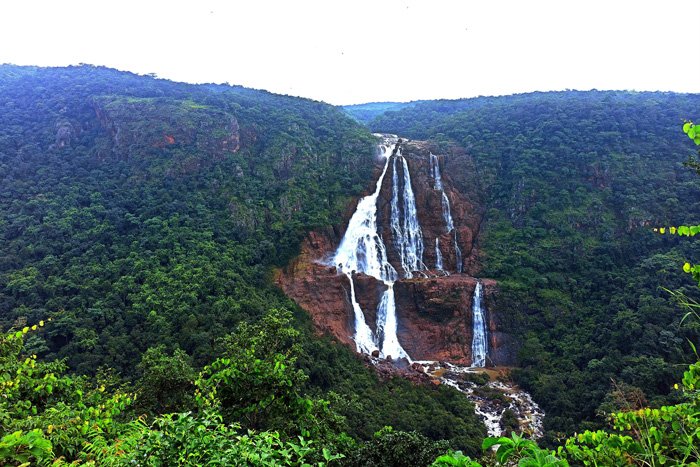
Welcome to our comprehensive guide on Barehipani Falls, a breathtaking natural wonder located in the heart of India. In this article, we will take you on an immersive journey through the captivating allure of these majestic falls. From its geographical features to the rich biodiversity that surrounds it, we leave no stone unturned in uncovering the enchanting secrets of Barehipani Falls.
Nestled deep within the lush, wild heart of Similipal Tiger Reserve lies one of Odisha’s most breathtaking natural spectacles—the Barehipani Waterfall Similipal. As the second-highest waterfall in the state and one of the tallest in India, it offers more than just a visual treat; it presents an unforgettable encounter with raw, untamed nature. If you’re charting out an adventure in Odisha, this majestic two-tiered cascade, plunging from a dizzying height, deserves a top spot on your itinerary. This comprehensive guide will walk you through everything you need to know to plan a seamless and memorable trip to this incredible marvel.
Table of Contents
ToggleWhy Visit Barehipani Waterfall?
The Barehipani Waterfall Similipal is not just another scenic spot—it’s a statement of nature’s scale and beauty. What makes it truly captivating is its dramatic descent. The waters originate from high-altitude regions like the Meghasani peak and plunge down in a powerful two-tiered, or double-drop, formation. This unique structure means the water descends in two stages, creating a mesmerizing visual and a thunderous roar that echoes through the Similipal forests. Its immense Barehipani waterfall height, estimated between 1300 to 1400 feet, ensures that every viewpoint offers a long, vertical, and awe-inspiring vista of the cascade against a backdrop of dense greenery. This grandeur has earned it official recognition from both the Forest Department and Odisha Tourism, cementing its status as a premier natural attraction.
Journey to the Falls: Location and How to Reach
Barehipani is located in the Mayurbhanj district of Odisha, deep inside the Similipal Biosphere Reserve. Its remote location adds to its pristine charm but requires some planning to access.
Nearest City/Town: Baripada, the district headquarters, is the major gateway.
Nearest Railway Station: Baripada Railway Station, approximately 130 km away from the waterfall.
Nearest Bus Stop: Jashipur, on the route from Baripada, is a key access point. From here, the journey continues into the reserve.
How to Reach:
- By Train: Disembark at Baripada Railway Station. From Baripada, you will need to hire a private vehicle (jeep/car) for the journey to Similipal and onwards to the waterfall.
- By Road: The most feasible way is to drive or hire a taxi from Baripada or Jashipur. Please note, public transport does not ply directly to the waterfall site. The final stretches involve navigating forest roads, and entry is regulated by the forest department.
- By Air: The nearest airports are in Kolkata (West Bengal) and Bhubaneswar (Odisha), both about 250-300 km away, from where you can continue by road or rail to Baripada.
Experiencing Barehipani Waterfall Similipal: Things to Do and See
Your visit to Barehipani is about immersing yourself in the ecosystem of Similipal.
- Marvel at the Cascade: The primary activity is, of course, witnessing the waterfall itself. The sight of water free-falling hundreds of feet is humbling and spectacular.
- Photography: The location is a paradise for nature photographers. The play of light through the mist, the vibrant greens, and the powerful flow offer endless frames.
- Nature Trails: The approach to the waterfall involves walks through rich biodiversity. Keep your eyes peeled for exotic birds, butterflies, and if you’re incredibly lucky, signs of larger wildlife (always from a safe distance).
- Explore Similipal: Your trip to Barehipani is incomplete without exploring other parts of Similipal Tiger Reserve. Consider visiting the other famous waterfall, Joranda, or the scenic viewpoints within the park.
Nearby Attractions to Combine in Your Itinerary
Joranda Waterfall: Another beautiful, smaller waterfall located within Similipal, often combined on the same trip.
Similipal Tiger Reserve: Go on a guided safari (in permitted zones) to experience one of India’s major tiger habitats, rich in flora and fauna.
Devkund Waterfall: A serene and sacred waterfall located near the reserve.
Baripada: Explore the town’s temples and the Mayurbhanj Palace for a touch of culture.
Planning Your Visit: Essential Travel Tips
Best Time to Visit Barehipani Waterfall:
The ideal time for a comfortable visit is during the post-monsoon and winter months, from October to February. The weather is pleasant, the forest is lush, and the water flow is strong yet manageable. While the monsoon (July-September) dramatically boosts the waterfall’s volume, making it most powerful, travel during this period can be challenging due to heavy rains, slippery paths, and potential park closures.
Opening Time and Access:
Crucially, the Barehipani waterfall area is accessible to tourists only from 1st November to 15th June each year. During this open period, visiting hours are typically from 6:00 AM to 6:00 PM. The reserve remains closed during the peak monsoon for regeneration and safety.
Travel and Safety Tips:
- Permits are Mandatory: You must obtain entry permits from the Forest Department office at Jashipur or Pithabata entry gate. Hiring a local guide is often compulsory and highly recommended.
- Book Accommodation Early: Options are limited inside the core area. Book the Barehipani guest house or other forest rest houses (like at Similipal resort Bangiriposi) well in advance through the forest department website or offices.
- Travel in a Sturdy Vehicle: The interior roads are rough. A jeep or SUV is necessary.
- Safety First: Stay on marked trails, do not venture near the cliff edges for risky selfies, and always follow your guide’s instructions. The forest is home to wildlife.
- Pack Smart: Carry water, snacks, a first-aid kit, rain gear, binoculars, and wear sturdy trekking shoes. Mobile network is unreliable.
- Leave No Trace: Preserve the pristine environment. Carry back all your waste.
Location and Geography
Nestled in the lush greenery of Simlipal National Park in the Mayurbhanj district of Odisha, Barehipani Falls stands tall as one of the most captivating waterfalls in India. It is situated on the Budhabalanga River and cascades from a staggering height of approximately 399 meters (1,309 feet). Surrounded by dense forests, the falls offer a mesmerizing spectacle as the water plummets down in two tiers, creating a stunning display of natural beauty.
The Legend of Barehipani Falls
Like many remarkable natural landmarks, Barehipani Falls also holds a fascinating legend that adds to its allure. According to local folklore, the falls are named after the Barehi Tribes, an indigenous community that inhabited the region for centuries. The tribal people believed that the water flowing down the falls possessed divine powers and could cure ailments. As the legend spread, the falls became a revered site for pilgrimage and spiritual rejuvenation.
Flora and Fauna
The region surrounding Barehipani Falls is teeming with diverse flora and fauna, making it a paradise for nature enthusiasts. The dense forests are home to a wide variety of plant species, including towering sal trees, vibrant orchids, and rare medicinal herbs. This rich vegetation provides a sanctuary for numerous animal species, such as elephants, leopards, tigers, and various species of primates. Birdwatchers will be delighted to spot vibrant avian species like the Indian trogon, hornbills, and racket-tailed drongos in the vicinity.
Ecological Significance
Beyond its aesthetic appeal, Barehipani Falls holds great ecological significance. The water from the falls nourishes the surrounding forests and supports a delicate ecosystem. The falls serve as a vital source of water for the wildlife residing in the region, ensuring their survival. Furthermore, the abundant vegetation contributes to maintaining the ecological balance and acts as a carbon sink, playing a crucial role in mitigating climate change.
How to Reach Barehipani Falls
By Air: The nearest airport to Barehipani Falls is the Biju Patnaik International Airport in Bhubaneswar, Odisha’s capital city. From there, you can hire a taxi or take a bus to reach the falls. The journey takes approximately 4-5 hours, covering a distance of about 250 kilometers (155 miles).
By Rail: The closest railway station to Barehipani Falls is Baripada Railway Station, located around 60 kilometers (37 miles) away. Several trains connect Baripada to major cities in India. From the railway station, you can avail of local transport options like buses or taxis to reach the falls.
By Road: Barehipani Falls is well-connected by road, and you can choose to drive or take a bus to reach the destination. The falls are accessible via the Pithabata entrance of Simlipal National Park. It is advisable to check the park’s entry regulations and obtain the necessary permits before planning your visit.
Best Time to Visit
The ideal time to witness the grandeur of Barehipani Falls is during the monsoon season, from June to September. The heavy rainfall during this period ensures a magnificent flow of water, transforming the falls into a breathtaking sight. However, it is essential to stay updated on the weather conditions and avoid visiting during extreme weather situations to ensure your safety.
Safety Precautions
While exploring the mesmerizing beauty of Barehipani Falls, it is crucial to prioritize safety. Here are a few precautions to keep in mind:
- Follow the designated trails and pathways to avoid accidents or disturbing the delicate ecosystem.
- Be cautious near the edges and avoid venturing into restricted areas for your own safety.
- Carry sufficient drinking water and stay hydrated during your visit.
- Wear comfortable and sturdy footwear to navigate through the rugged terrain.
- Respect the flora and fauna by not littering and maintaining a responsible approach towards the environment.
Barehipani Falls stands as a testament to the awe-inspiring power of nature, captivating visitors with its breathtaking beauty and serene ambiance. From its towering cascade to the surrounding verdant forests, the falls offer an unparalleled experience for those seeking a rendezvous with the natural world. Embark on a journey to Barehipani Falls, and immerse yourself in the tranquility and grandeur of this extraordinary destination.
Frequently Asked Questions (FAQs)
Q1: What is the height of Barehipani Waterfall?
A1: The Barehipani waterfall height is estimated to be between 1300 to 1400 feet (approximately 400-425 meters), making it the second-highest waterfall in Odisha.
Q2: How do I reach Barehipani Waterfall?
A2: The nearest major point is Baripada. From there, you need to hire a private vehicle to Jashipur/Pithabata entry gate, obtain permits, and then proceed with an authorized vehicle/guide into Similipal Tiger Reserve. Direct public transport is not available.
Q3: When is the best time to visit Barehipani?
A3: The best time to visit Barehipani waterfall for a balanced experience of good flow and comfortable weather is from October to February.
Q4: Is the waterfall accessible year-round?
A4: No. For safety and conservation, the waterfall and its access routes within Similipal are open to tourists only from 1st November to 15th June.
Q5: Are there places to stay near the waterfall?
A5: Yes, the Forest Department manages a few guest houses, including the Barehipani guest house. Staying at resorts in Bangiriposi or other forest rest houses is also an option. Booking well in advance is crucial.
Q6: Is it safe to visit with family?
A6: Yes, it is generally safe for families, provided you follow all forest rules, stay with a guide, keep to designated areas, and supervise children closely near the waterfall and forest trails.
Visiting the Barehipani Waterfall Similipal is more than a sightseeing trip; it’s a pilgrimage for nature lovers. The journey through the majestic Similipal forest to witness one of India’s tallest waterfalls is an experience that stays with you. By planning ahead—checking seasons, securing permits, and booking stays—you ensure a smooth adventure. So pack your bags, respect the wilderness, and get ready to be captivated by the roaring symphony of Odisha’s towering cascade.
Disclaimer: The information provided in this blog is for general guidance only. Travel regulations, opening hours, and access conditions are subject to change by the Forest Department. Readers are advised to verify facts independently from official sources before making any travel decisions.*