
What is Malkangiri district culture famous for?
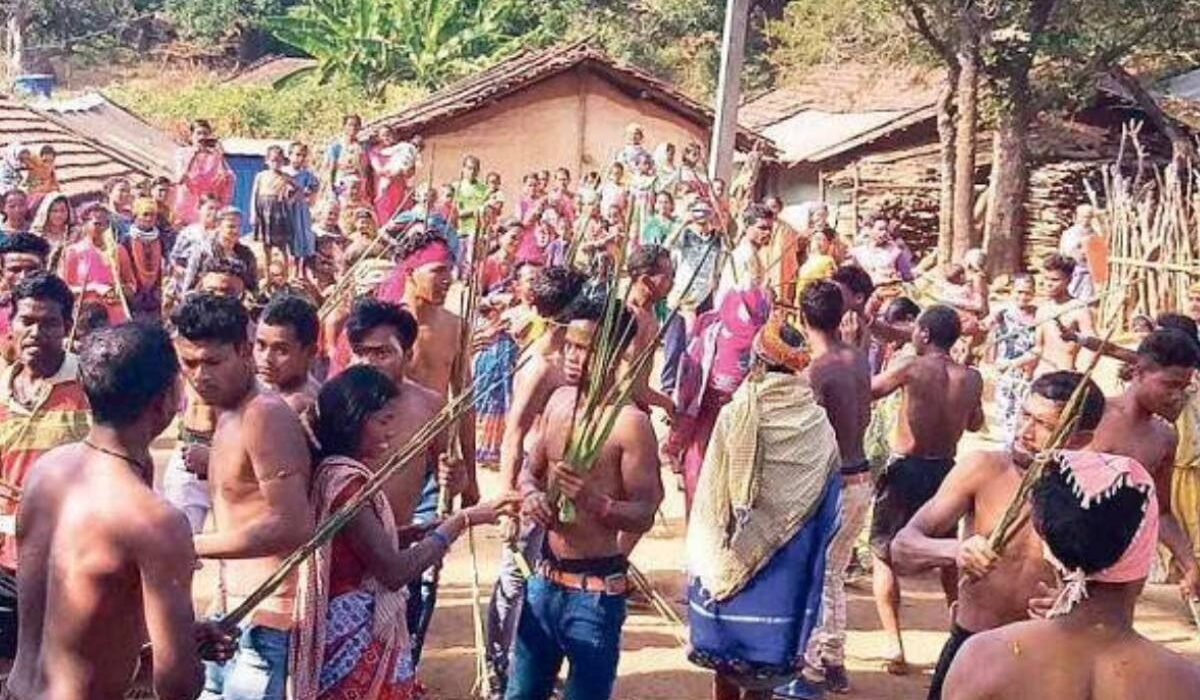
Malkangiri district culture is world-renowned for its vibrant tribal heritage, particularly the unique traditions of the Bonda, Koya, and Gadaba tribes. It is famous for its rhythmic folk dances like the Dhemsa, the iconic bison-horn headgear of Koya dancers, and ancient festivals such as Bali Jatra and Chaitra Parva. This cultural tapestry is defined by a deep spiritual connection to nature, expressed through indigenous music, communal hunting rituals, and traditional art forms.
Key Cultural Traditions of Malkangiri District
- Tribal Dance Forms: The Koya “Bison-horn” dance and the communal Dhemsa dance are central to social celebrations.
- Indigenous Festivals: Major events include the Bali Jatra, Sume-Gelirak, and the Chaitra Parva hunting festival.
- Bonda Heritage: The Bonda tribe, one of India’s most primitive groups, maintains distinct attire and ancient social customs.
- Traditional Music: Use of unique instruments like the bamboo flute, stringed mandolins, and percussive drums during night-long festivities.
- Communal Rituals: Sacred ceremonies often involve traditional offerings and rhythmic chanting to appease forest deities.
Cultural Details of Malkangiri
- Primary Tribes – Bonda, Koya, Gadaba, Kondh, and Didayi
- Famous Dance – Koya Bison-horn Dance and Dhemsa
- Major Festival – Bali Jatra and Chaitra Parva
- Musical Instruments – Bamboo Flutes, Mandolins, and Tribal Drums
- Unique Craft – Tribal Jewelry and Beadwork
Dance Accoring to the cultue and tradition of tribal people have the entertaintment programmes of Dance and songs. The chief attraction is the evening dance and songs. Though tribal people talk in the own language at home, they use regional language in the market places.
Dance All the tribe adopt music as one of the chief items of amusement and during peak festival season it becomes their main occupation.They are very fond of music and a varity of crude instruments, stringed, and percussive are in use. Women sing in chorus when working in the fields, and men and boys while away in the lonely hours of watching cattle by warbling to themselves plaintive melodies on bamboo flutes or twanging a two stringed mandolin provided with a dried gound for a sounding board. Dancing is however, the dirversion of which all men and women alike are most passionately fond. In time of festivals dancing parties begin at nightfall, last whole night and continue even through the following day. Each tribe has its own particulr dance. The best efforts of the Kondhs are clumsy beside those of some of the tribes. Tribes like Bondas, Gadabas, Kondhs and Koyas have their own distinctive music and musical instruments. The preparation and manipulation of some of these instruments are done with such skill that, exteremely simple though they are, it becomes almost impossible to emulate them. In each tribe different type of music are prescribed for different seasons and different occasions.
Dance On the whole, the Bondas keep their own rules fairly well. they observe the taboos on incest or adultery and their religious obligations with such fidelity that the few exceptions are long remembered. The Bonda spent a great deal of time on their religion and its feasts and holidays are an important part of Bonda life which can hardly be understood apart from them.Cetrain features are common to every festival. The religious occusions are real festivals and holidays; dancing accompanies each festival and there are some relaxation of rules which forbid men and women of the same village to dance together. At every festival there is a routine worship or placeation of every demigod and demon in the calendar. The chief festival amoung the Kondh is the Kedu festival which was once associated with human sacrifice. At present a buffalo is sacrificied in place of the human victim.
Hunting is one of the people’s favourite recreations. In the hot season and especially in the month of “Chaitra”, when all the world makes holiday, organized beats are held in which all the men and boys of the village take part, armed with bows and arrows, axes or spears and occasionally with matchlocks and slay any live things, irrespective of age or sex, which they may meet in the forest. Such expeditions, as a matter of course, culminate in a feast and earouse inthe village.
Dance The Koyas have an interesting dance i which the men tie buffalo or bison horns on their heads and engage in mimic fight; their women also dance prettily in a ring with their hands in each other’s shoulder.
Leave feedback about this
You must be logged in to post a comment.