
Discover Boudh District
Boudh district, situated in the eastern state of Odisha, is a captivating destination that offers a unique blend of history, culture, and natural beauty. With its ancient temples, serene landscapes, and rich traditions, Boudh district has become a must-visit place for travelers seeking an offbeat experience. This article serves as your comprehensive guide to all the remarkable aspects that make Boudh district an extraordinary destination.
What is Boudh District of Odisha known for?
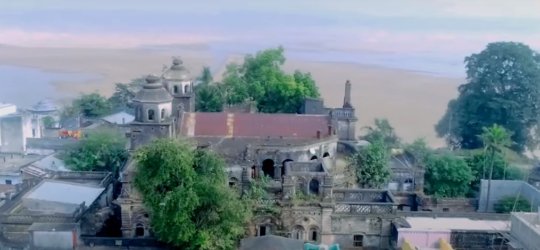
Boudh District of Odisha is primarily known as a spiritual and cultural heartland, famous for its ancient Boudh Temple, which is one of the region’s most significant Buddhist heritage sites. It also offers rich tribal culture, scenic landscapes along the Mahanadi River, and traditional handicrafts like Dhokra metal art, making it a unique destination for heritage and nature enthusiasts.
Historical Significance:
Boudh district is steeped in history, with traces of its glorious past evident in the numerous archaeological sites and ancient temples scattered across the region. The district was once an integral part of the Kalinga empire and has witnessed the rise and fall of various dynasties. The renowned Buddhist complex of Ratnagiri and the historical sites of Manamunda and Jogindra Villa are notable attractions that provide a glimpse into the district’s rich historical heritage.An ancient Buddhist center with archaeological remains and the historic Boudh Temple.
Geographical Features:
Nestled amidst the picturesque Eastern Ghats, Boudh district boasts a diverse topography. The mighty Mahanadi River flows through the district, enhancing its natural beauty. Rolling hills, dense forests, and fertile plains define the landscape, offering breathtaking views and a tranquil ambiance. The district is also home to the magnificent Charisambhu Shiva Temple, located atop a hill, providing panoramic views of the surrounding valleys. Located along the Mahanadi River basin, featuring fertile plains, forests, and hilly terrains.
Cultural Heritage:
Boudh district is a cultural haven, preserving age-old traditions and customs. The region is known for its vibrant festivals, religious fervor, and exquisite handicrafts. The inhabitants, predominantly belonging to the Kondh and Sabara tribes, showcase their rich cultural heritage through their unique attire, music, dance forms, and intricate craftsmanship. Visitors can witness enthralling folk performances, including Dalkhai, Karma, and Ghumura dance, which reflect the district’s cultural vibrancy. Home to indigenous tribal communities like the Kondh, known for vibrant festivals such as Magha Mela and traditional dance forms.Boudh District is more than just a historical site—it’s a living museum of Odisha’s tribal and spiritual traditions. The annual Magha Mela festival transforms the town into a vibrant hub of devotion, drawing pilgrims for rituals and cultural performances. Local tribal groups, such as the Kondh and Gond communities, preserve unique art forms, including Dhokra metal casting and intricate handloom weaving, reflecting centuries of craftsmanship.
Transport and Connectivity:
Boudh district is well-connected to major cities and towns in Odisha. The nearest airport is the Bhubaneswar International Airport, which serves domestic and international flights. Regular bus services and private taxis are available for convenient travel within the district. The district’s railway station, located in Boudh town, provides train connectivity to different parts of the country.Boudh is well-connected by road networks linking it to major cities like Bhubaneswar (approx. 250 km) and Sambalpur. While the district lacks an airport or railway station, regular bus services and private taxis provide convenient access for travelers. The nearest railway station is in Bolangir, about 80 km away.
Handloom and Textiles:
The handloom industry in Boudh district is renowned for its intricate craftsmanship and vibrant textiles. The region specializes in weaving traditional sarees, known as ‘Bomkai’ sarees, which are adorned with beautiful motifs and vibrant colors. Visitors can explore the handloom clusters and interact with skilled weavers to witness the artistry behind these exquisite creations.
Famous Festivals:
Boudh district celebrates numerous festivals with great zeal and enthusiasm. The Rath Yatra, Durga Puja, and Diwali are widely celebrated, attracting devotees and tourists from far and wide. The Sabara Srikhetra Parab, a unique festival celebrated by the Sabara tribe, showcases their indigenous rituals, dance forms, and cultural practices.
Wildlife and Natural Beauty:
Boudh district boasts remarkable biodiversity and pristine natural landscapes. The dense forests and wildlife sanctuaries in the region provide a haven for diverse flora and fauna. The Sonepur Elephant Reserve and Debrigarh Wildlife Sanctuary are must-visit destinations for wildlife enthusiasts. The tranquil Duduma Waterfall and the scenic Satkosia Gorge on the Mahanadi River offer breathtaking views and opportunities for adventure and exploration.
Tourist Attractions:
Boudh district is dotted with several tourist attractions that cater to a range of interests. The ancient temples of Jogindra Villa, Charisambhu, and Maa Bhairavi Temple are architectural marvels and important pilgrimage sites. The picturesque Prasanna Pagoda, nestled amidst lush greenery, is a serene retreat for peace-seekers. The tranquil Dhokra village, known for its metal crafts, offers an insight into the traditional art form. Key sites include the Boudh Temple, Ranipur Jharial archaeological complex, Hanuman Temple at Purunakatak, and serene river ghats along the Mahanadi. While the Boudh Temple remains the spiritual centerpiece, the district offers diverse experiences. The Ranipur Jharial archaeological site, often called the “Soma Tirtha” of ancient texts, features rare temple ruins and a circular stone enclosure. Nature lovers can explore the tranquil Mahanadi riverbanks or visit the Purunakatak Hanuman Temple, perched on a hill with panoramic views of the surrounding valleys.
Education and Institutions:
Boudh district places significant emphasis on education and boasts a range of educational institutions. The district is home to esteemed schools, colleges, and vocational training centers that provide quality education and contribute to the region’s overall development. These institutions play a vital role in nurturing the intellectual capital of the district.
Economic Growth:
Boudh district is gradually emerging as an economically progressive region. The district’s economy primarily revolves around agriculture, handloom weaving, and small-scale industries. Efforts are underway to promote tourism and harness the district’s natural and cultural resources for sustainable economic growth.Relies on agriculture (paddy, pulses), horticulture, and traditional crafts like Dhokra metal casting and handloom textiles.Boudh’s economy thrives on a blend of agriculture and artisan traditions. Farmers cultivate staples like paddy and pulses, while artisans excel in Dhokra metal casting—a non-ferrous metalworking technique dating back thousands of years. These handicrafts, alongside handwoven textiles, are not just local products but cultural emblems sold in markets across Odisha.
Cuisine:
The culinary delights of Boudh district reflect the traditional flavors of Odisha. Rice, lentils, and fresh vegetables form the staple diet of the locals. Mouthwatering dishes like Dalma, Santula, Macha Ghanta, and Chhena Poda showcase the distinct culinary heritage of the region. Visitors can savor these delicacies at local eateries and experience the authentic taste of Boudh.
Accommodation Options and City Life:
Boudh district offers a range of accommodation options to suit every traveler’s preference and budget. From budget guesthouses to comfortable hotels, visitors can find suitable lodging facilities in Boudh town and its surrounding areas. The town also provides essential amenities, bustling markets, and glimpses of the local lifestyle.
Local Art and Crafts:
Boudh district is known for its rich artistic traditions and exquisite handicrafts. The local artisans excel in stone carving, terracotta work, Pattachitra painting, and Dhokra metal crafts. Visitors can witness these skilled artisans at work and acquire souvenirs as a memento of their Boudh experience.
Picnic Spots and Places to Explore:
Boudh district offers several serene picnic spots where visitors can unwind amidst nature’s tranquility. The picturesque Gandhamardan Hills, Dandadhar Waterfall, and Maneswar Picnic Spot are ideal for leisurely outings. The district also has a rich assortment of historic sites, such as the ancient caves of Rambha and the stone inscriptions of Bhalumunda.
Lakes:
Boudh district boasts several enchanting lakes that add to its natural allure. The serene Charda Dam and the picturesque Purunakatak Lake are popular among locals and visitors alike. These water bodies provide a peaceful setting for boating, picnicking, and enjoying the surrounding landscapes.
Boudh district in Odisha is a hidden gem that encapsulates the essence of cultural heritage, natural beauty, and historical significance. With its intriguing past, vibrant festivals, stunning landscapes, and warm hospitality, Boudh district offers a captivating experience for travelers seeking an authentic and enriching journey. Embark on a memorable exploration of this remarkable district, and let its charm leave an indelible mark on your heart.