About Konark Sun Temple
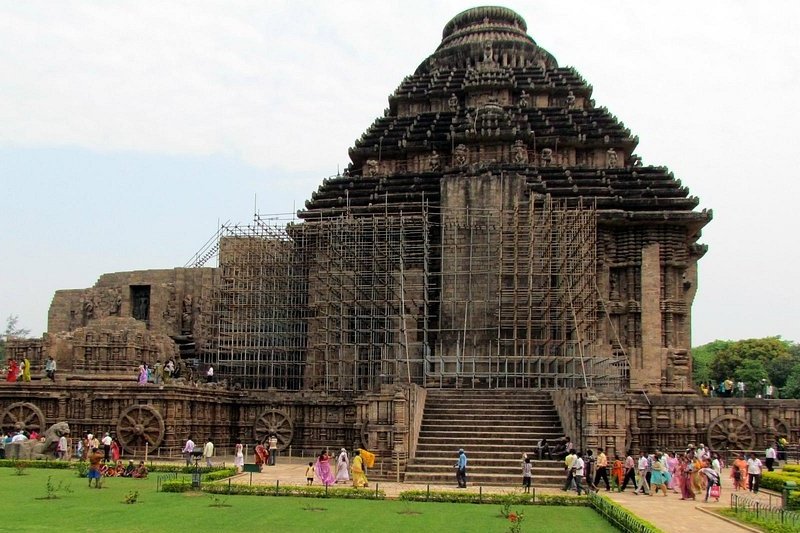
Konark Sun Temple is a 13th-century Hindu temple complex dedicated to Lord Surya in Konark, Puri district, Odisha. Built during the reign of Eastern Ganga King Narasimhadeva I, the monument is internationally known for its monumental chariot design, carved stone wheels, sculptures and Kalinga architectural style. It is a UNESCO World Heritage Site and one of Odisha's most significant historical monuments.
The temple complex represents the Sun God's colossal stone chariot, designed with 24 carved wheels drawn by seven rearing stone horses. Its surviving structures, detailed sculptures and architectural proportions make Konark an important destination for visitors interested in Indian history, architecture, sculpture, religion and cultural heritage.
The temple is a protected archaeological monument under the Archaeological Survey of India. Active daily worship and darshan are not conducted inside the main sanctum today.
Key Attractions & Things to See
The Monumental Stone Chariot
The entire temple complex is conceived as the chariot of Lord Surya. Twenty-four intricately carved stone wheels line the temple platform, while seven stone horses represent the chariot's movement.
The wheels are among the most recognizable features of the monument and contain elaborate carvings and symbolic details.
The Jagamohana
The Jagamohana, or assembly hall, is the principal surviving structure of the temple complex. Its stepped pyramidal roof rises approximately 39 metres and represents the distinctive Pidha Deula form of Kalinga architecture.
The interior was filled with sand and sealed during 1901–1903 to protect the structure from potential collapse.
The Nata Mandira
The Nata Mandira is the detached dancing hall located east of the Jagamohana. Its pillars and walls contain detailed carvings of dancers and musicians.
The sculptures of the Nata Mandira are particularly significant in the history of Indian dance and have contributed to the visual heritage associated with Odissi dance.
The Surya Sculptures
The temple's principal Surya representations depict the Sun God at different times of the day:
-
Prabhat Surya: Morning or rising Sun
-
Madhyahna Surya: Midday or noon Sun
-
Astagata Surya: Setting or evening Sun
These chlorite stone sculptures reflect the temple's central association with solar worship.
Stone Wheels and Sundial Features
The 24 wheels at the temple base are among its most distinctive architectural features. The wheels incorporate spokes and detailed rim carvings and are traditionally interpreted as representations of time and astronomical observation.
The source material describes the wheels as functioning historically as sundials, with the central axle and shadows used to determine solar time.
Sculptural Reliefs
Konark is famous for extensive stone carvings depicting courtly life, dancers, musicians, animals, military scenes, floral motifs and erotic reliefs known as Mithunas.
The sculptures provide important visual evidence of aspects of medieval Indian society, artistic traditions and cultural life.
Chhaya Devi and Mayadevi Temples
Secondary structures within the temple compound include the Chhaya Devi and Mayadevi temples. These are associated with the religious traditions surrounding Lord Surya.
Popular Activities & Things to Do
Explore Kalinga Architecture
Visitors can examine the surviving structures, carved wheels, sculptural panels, pillars and architectural details that represent the Kalinga style of temple architecture.
Study the Stone Wheels
The carved wheels provide an opportunity to observe the relationship between architecture, artistic decoration and traditional concepts of timekeeping.
Explore the Sculptures
The temple's stone reliefs include dancers, musicians, animals, floral designs, courtly scenes and other aspects of medieval life.
Visit the ASI Museum
The ASI Museum, approximately 1 km from the main temple complex, houses carved stone sculptures and architectural fragments recovered from excavations at the site.
Attend the Konark Dance Festival
The Konark Dance Festival is held annually from December 1 to December 5 and features classical Indian dance performances against the illuminated backdrop of the Sun Temple.
Combine the Visit with Chandrabhaga Beach
Chandrabhaga Beach is approximately 3 km east of the temple and is known for its coastal setting, sunrise views and religious significance.
How to Reach
By Road
Konark is connected by road with Bhubaneswar and Puri through the Puri-Konark Marine Drive and State Highway 13. Regular OSRTC buses, private coaches and taxi services operate from Bhubaneswar and Puri. Auto-rickshaws, cycle-rickshaws and private rental cars are available within Konark town.
By Train
Puri Railway Station is approximately 31 km from Konark Sun Temple and takes around 45–50 minutes by road.
Bhubaneswar Railway Station is approximately 65 km away and takes around 1.5 hours by road.
By Air
Biju Patnaik International Airport in Bhubaneswar is approximately 65 km from Konark Sun Temple. The typical road journey takes approximately 1.5 to 2 hours via NH-316 and the Puri-Konark Marine Drive.
Distance Chart
-
Chandrabhaga Beach: Approximately 3 km — around 5–10 minutes
-
Puri: Approximately 31 km — around 45–50 minutes
-
Bhubaneswar Airport: Approximately 65 km — around 1.5–2 hours
-
Bhubaneswar Railway Station: Approximately 65 km — around 1.5–2 hours
-
Cuttack: Approximately 85 km — around 2–2.5 hours
-
Satapada, Chilika Lake: Approximately 70 km via Puri — around 2 hours
Best Time to Visit
October to March
October to March is the preferred season to visit Konark Sun Temple. Winter provides relatively pleasant weather, with temperatures generally ranging between 15°C and 28°C.
Morning Visit
The period from 6:00 AM to 8:00 AM provides comfortable temperatures, suitable photographic lighting and comparatively lower crowd density.
Late Afternoon
Visitors can also plan their visit after 4:00 PM, when the intensity of the daytime heat begins to reduce.
Summer
April to June can be intensely hot, with temperatures rising above 38°C. Open areas around the monument can become uncomfortable during the middle of the day.
Monsoon
July to September brings heavy rainfall, high humidity and coastal winds. Visitors should plan outdoor sightseeing with weather conditions in mind.
Visitor Timings & Entry Information
Konark Sun Temple is open daily from 6:00 AM to 8:00 PM.
The monument is ticketed and managed by the Archaeological Survey of India.
-
Indian Citizens: ₹40 per person
-
Foreign Visitors: ₹600 per person
-
Children up to 15 years: Free
-
E-ticket booking through the official ASI system or QR-based entry is required or preferred.
-
Photography with still cameras and smartphones is permitted without an additional charge. Commercial tripod use and drone photography require prior administrative permission.
-
Mobile phones are allowed.
-
Weapons, sharp objects, large luggage, alcohol and tobacco products are prohibited. Single-use plastic bottles and bags are also restricted in designated eco-zones.
-
The monument is open to visitors of all religious backgrounds and nationalities.
Nearby Essential Facilities
Drinking Water
Drinking-water fountains are available within the temple premises.
Toilets
Public toilets are available around the outer perimeter of the monument.
Food
Food stalls and local restaurants operate around the temple area. Visitors can find traditional Odia meals, including Pakhala, Dalma and vegetable thalis, along with coastal seafood.
Medicines and Medical Assistance
Medical facilities are available around the tourist area; visitors requiring regular medicines should carry them during sightseeing.
Parking
Parking lots are available around the outer perimeter of the temple complex.
Ticketing and Visitor Services
Automated ticket counters, visitor centres and ASI information facilities are available around the temple area.
Guides
ASI-certified local tourist guides are available near the entrance gate. Audio guide applications are also supported.
Cloakrooms
Cloakrooms facilities are available around the outer visitor area.
Accessibility
Wheelchair ramps provide access up to the central courtyard platform surrounding the Jagamohana and Nata Mandira. Wheelchairs are available at the main gate upon request.
Access to upper structural stone steps is restricted to help protect visitors and the historic stonework.
Accommodation
OTDC Panthanivas Konark provides accommodation near the main temple. Private guest houses and other accommodation options are available along Main Temple Road.
Travel Tips & Visitor Advice
- Plan approximately 2 to 3 hours to explore the main temple structures, stone wheels and nearby ASI Museum.
- Visit between 6:00 AM and 8:00 AM for cooler temperatures and suitable photographic light.
- Carry drinking water, particularly during warmer months.
- Use an umbrella, hat, sunglasses and sun protection when visiting during summer.
- Wear comfortable footwear suitable for walking across the archaeological complex.
- Follow all ASI instructions concerning restricted areas and protected structures.
- Avoid carrying prohibited objects or large luggage.
- During December, the Konark Dance Festival attracts visitors interested in classical Indian dance.
- During Magha Saptami, Chandrabhaga Beach becomes an important pilgrimage location and visitor numbers increase substantially.
- Combine the temple visit with Chandrabhaga Beach and the ASI Museum to explore the major attractions around Konark.
Konark Sun Temple is a 13th-century monument dedicated to Lord Surya and one of the finest expressions of Kalinga architecture. Its monumental stone chariot, 24 carved wheels, surviving Jagamohana and Nata Mandira, extensive sculptures and association with Odisha's cultural traditions make it a major heritage destination. Located near Chandrabhaga Beach and connected by road with Puri and Bhubaneswar, Konark can be explored throughout the year, with October to March offering the most comfortable conditions.
Frequently Asked Questions
Find answers to common questions about Konark Sun Temple: Visitor Guide.